Iran Sets 3 Conditions to End War with US and Israel: What It Means for Global Markets
Iran has announced three key conditions to end the ongoing conflict with the United States and Israel. The development could have major geopolitical and financial implications for global markets, oil prices, and international stability.
Introduction
The ongoing geopolitical tensions in the Middle East have captured global attention as Iran recently announced three key conditions to end the conflict with the United States and Israel. The conflict has not only affected regional stability but also raised concerns about its impact on global financial markets, oil prices, and international trade routes.
Global investors and policymakers are closely monitoring the situation because developments in the Middle East can significantly influence the global economy.

Iran’s Three Conditions to End the Conflict
Iran has reportedly outlined three major conditions that must be fulfilled before it considers ending hostilities.
1. Recognition of Iran’s Rights
Iran has demanded that its national rights and sovereignty be officially recognized by international actors. According to Iranian officials, acknowledgment of these rights is essential for establishing a stable and fair diplomatic resolution.
2. Compensation for War Damages
Another key demand is financial compensation for damages caused during the conflict. Iran argues that infrastructure and economic losses suffered during the war must be addressed through reparations.
3. Guarantees Against Future Attacks
Iran also wants strong international guarantees ensuring that similar attacks will not occur again in the future. Security assurances are being viewed as a crucial part of any potential peace agreement.
Why This Conflict Matters for Global Markets
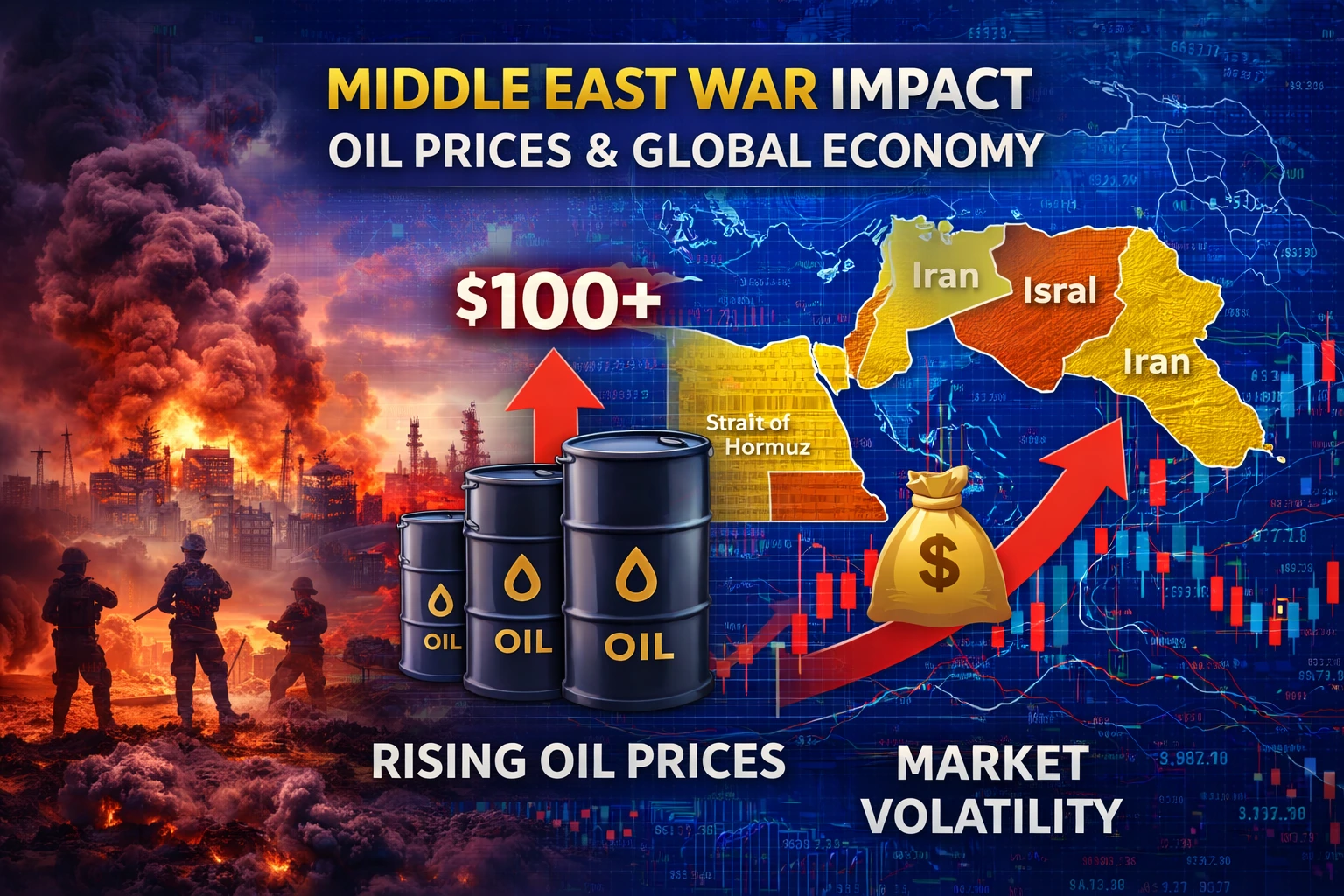
Geopolitical conflicts in the Middle East often have a direct impact on global financial markets. The region plays a critical role in global energy supply, particularly oil exports.
Whenever tensions escalate in the region:
-
Oil prices tend to rise
-
Stock markets may experience volatility
-
Global trade routes face disruptions
One of the most important shipping routes affected by tensions in the region is the Strait of Hormuz, through which a significant portion of the world’s oil supply passes.
Impact on Oil Prices and Inflation
If the conflict escalates further, oil supply disruptions could push global energy prices higher. Rising oil prices usually contribute to higher inflation across many countries.
Higher inflation may force central banks to adjust interest rates, which can affect stock markets and investment decisions worldwide.
This is why global investors are carefully watching the developments surrounding this conflict
What Investors Should Watch
Financial analysts suggest that investors should keep an eye on several key developments:
-
Diplomatic negotiations between countries
-
Oil supply and production levels
-
Central bank responses to inflation
-
Global stock market reactions
These factors will determine whether the conflict leads to short-term market volatility or long-term economic consequences.
Conclusion
Iran’s announcement of three conditions to end the conflict with the United States and Israel highlights the complex geopolitical situation in the Middle East. The outcome of these negotiations could influence not only regional stability but also global financial markets.
For investors and businesses worldwide, monitoring geopolitical developments remains crucial for understanding potential risks and opportunities in the global economy.
FAQs
Why did Iran set conditions to end the war?
Iran stated that it wants recognition of its rights, compensation for damages, and guarantees to prevent future attacks before agreeing to end hostilities.
How does the Iran conflict affect global markets?
Geopolitical conflicts in the Middle East can impact oil prices, stock markets, and international trade routes.
Why are oil prices affected by Middle East conflicts?
The Middle East is one of the largest oil-producing regions in the world. Any disruption to supply can increase global energy prices.
Can geopolitical conflicts affect inflation?
Yes. Rising energy prices often lead to higher transportation and production costs, which can increase inflation globally.
Tags
(नोट- आईपीओ या शेयर बाजार में किसी भी तरह के निवेश से पहले अपने मार्केट एक्सपर्ट्स की सलाह जरूर लें.)
Explore More News